
Pete Furman reflects on city service – Sedona Red Rock News
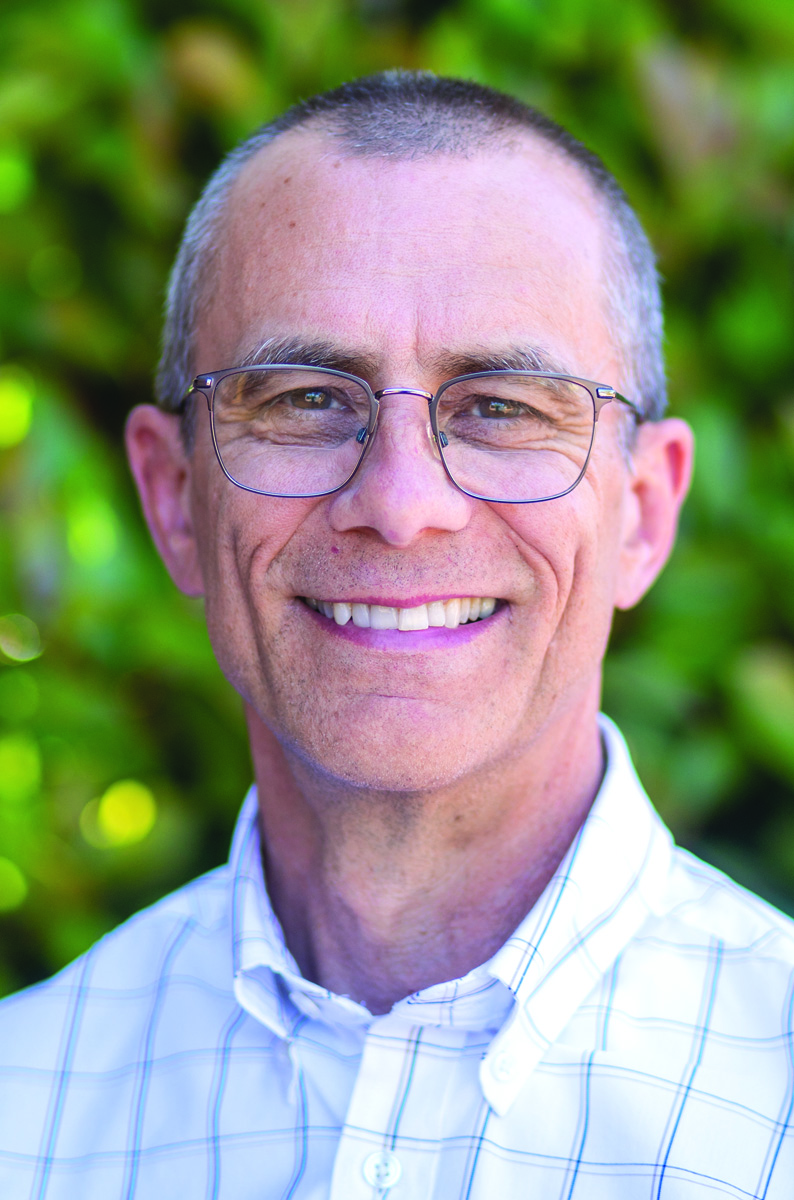
Sedona City Councilman Pete Furman opted not to run for reelection in 2026 and will be leaving office next month, making Tuesday, Oct. 27, his last regular meeting as an elected official.
“[Because of the] health challenges I’ve had over the last four years, and then the recent tragedy in my family, it’s the right decision for me to step down at this time and focus more time on health and family,” Furman said. “But I’ll miss lots of elements about serving.”
‘In Good Standing’
Furman cited among his successes revamping council rules and procedures on Nov. 25 to create the status of “council member in good standing,” which passed in response to the precedent-setting three formal censures of former Mayor Scott Jablow, prior to his resignation on Sept. 30, 2025.
“Good standing” is what all members of the council have unless they are censured by two-thirds of the body, after which, they lose privileges like presiding over meetings, having access to city computers and getting paid for travel on city business.
Salary for Service
After selecting members Feb. 24, the Council Compensation Work Group has met several times to determine if the current monthly salaries of $550 for City Council members and $800 for the mayor should be increased, partly as an effort to attract younger candidates to run for council without taking a financial hit for their public service.
“I think we’re going to meet one more time in our committee, but a final report will go to council,” Furman said, but a presentation date has not yet been set. “I’ll be off council, but I’ll participate in the presentation to council at that time.”
The committee has also discussed the “idea of offering health care to council members, but it would be at the same kind of rate that employees pay,” Furman said.
Sedona Cultural Park
Sedona voters’ 2024 rejection of the city’s proposed Safe Place to Park project, which sought to have part of the Sedona Cultural Park converted to a car camp for Sedona’s homeless workers, Furman cited as his biggest regret.
“We could have got some data,” he said. “We could have potentially really helped families with children or workforce in town, but we didn’t really get the business community involved in helping to explain to the community what that program is all about. And we shouldn’t have done that, we shouldn’t have brought something forward that helps the business community without the business community’s support.”
Similarly, voters again rejected the city’s plan for the Sedona Cultural Park on the July 2026 primary ballot with the overwhelming passage of Proposition 403, which prohibits residential development on the property.
“I think maybe that’s the second regret of mine, was thinking that the Cultural Park was the last big plot of land [with] a potential for housing, but the community housing plan helps me understand that that’s not necessarily true,” Furman said. “There are other ways to get there as well. I was too hopeful that the Cultural Park was going to be the solution for us.”
“The future of our city goes out generations, and we need to start getting younger viewpoints on the council to get us ready for that future,” Furman said on why residents should get involved in the city’s governance.
Sedona’s aging demographic trends show the Balanced Housing Strategy noting the median age in Sedona today is 64.1 years, compared to 50.5 in 2000.
“It’s not written in stone what our future is,” Furman said. “I think we can still impact it. That’s [what] the housing strategy is aiming at trying to influence, and I think that’s a worthwhile effort.”
“I’m very happy the direction the housing strategy has taken,” Furman said. “The Finance and Audit Subcommittee was something I also campaigned on.”
“The one thing I want to add is about our police pension system. I’m very proud to have helped create a full-funding policy goal and that we did achieve, eliminating our unfunded liabilities,” Furman wrote. “Very unusual in the state.”
Charlotte Hosseini
The meeting was also the last for Councilwoman Charlotte Hosseini, who was appointed last November to fill a vacancy caused by the resignation of Jablow. She also chose not to run for election for a full term and leaves office when the new council is seated next month.
She had served on the Planning and Zoning Commission since 2018 before was appointed to council.
“I’m kind of a policy wonk-type person, and I like to understand how things work,” she said. “It started out as, ‘how do things work here in Sedona’ when I moved to Sedona, and started with the Citizens Academy to kind of understand that, and one thing just led to the next. So the subject matter is interesting to me, and still is interesting to me. But I realize what an incredible time commitment it is. It really is.
“I’m leaving things unresolved on so many different projects, not being able to finish them all the way to a conclusion, and so not quite knowing what’s going to happen.
“The Cultural Park is going to be one. We got the request for information in, and they’ll come to council at some point. I won’t be there to give any input into it, so that’s a kind of a big one, because it’s a big one for the city, and what our next steps would be.”
New Council
The new Sedona City Council will be sworn in on Tuesday, Nov. 10, at 3 p.m. in the Sedona Council Chambers.
Elected in the July 21 primary, Jean-Christophe Buillet and Tony Hauserman will be sworn in as new councilmen at the next regular meeting, following the canvass of the Tuesday, Nov. 3, general election.
At that meeting, Councilwoman Melissa Dunn will be sworn in for her second term and current Vice Mayor Brian Fultz will be sworn in as mayor, with interim Mayor Holli Ploog returning to her regular council seat to finish the last two years of her second term. Council will then elect from among themselves a vice mayor.